
begining
If you’re considering minoxidil for hair growth, it’s important to understand the Top 10 Side Effects of Minoxidil and How to Avoid Them. While this treatment is widely praised for its effectiveness against hair loss, it can also bring along some unwanted reactions. In this article, we’ll break down the most common and rare side effects, explain who is more likely to experience them, and share practical tips to reduce risks—so you can use minoxidil safely and confidently.

Top 10 Side Effects of Minoxidil and How to Avoid Them
Hair loss affects millions of people worldwide, and for many, minoxidil is a go-to solution. It’s an FDA-approved treatment that has shown remarkable results in stimulating hair growth. But like any medication, it’s not without drawbacks. If you’re planning to use it, you need to be aware of the side effects of minoxidil—not to scare you away, but to help you use it safely and effectively.
In this guide, we’ll walk you through the Top 10 Side Effects of Minoxidil and How to Avoid Them, with practical tips for minimizing risks, recognizing warning signs, and making the most of your hair regrowth journey.
What Is Minoxidil?
Minoxidil was originally developed as an oral drug for treating high blood pressure. Surprisingly, doctors noticed that patients taking it experienced increased hair growth. That discovery led to the creation of topical minoxidil formulas, now sold under well-known brand names like Rogaine.
Today, minoxidil is widely available in liquid and foam solutions, with concentrations ranging from 2% (commonly used by women) to 5% (commonly used by men). Oral minoxidil is also prescribed in certain cases, but it tends to carry more systemic side effects.
How Does Minoxidil Work?
Minoxidil works by widening blood vessels and improving blood flow to hair follicles. This increases nutrient delivery, stimulates follicle activity, and prolongs the hair growth phase (anagen phase). As a result, hair becomes thicker, stronger, and more likely to grow back in thinning areas.
But with this increased stimulation comes the potential for unwanted side effects. Let’s explore them in detail.
The Top 10 Side Effects of Minoxidil and How to Avoid Them
1. Scalp Irritation
What Happens: Itching, burning, dryness, or redness are common, especially with the liquid formula.
Why: Often caused by alcohol or propylene glycol in the solution.
How to Avoid:
- Try the foam version, which is propylene glycol–free.
- Switch to a lower concentration (2% instead of 5%) if irritation persists.
- Moisturize with a gentle, fragrance-free conditioner.

2. Excessive Shedding (Initial Phase)
What Happens: Many users notice increased hair shedding during the first 2–6 weeks.
Why: Old, weak hairs are pushed out to make way for new growth.
How to Avoid:
- Stay consistent—this phase is temporary.
- Don’t panic; shedding usually means the medication is working.

3. Unwanted Hair Growth (Hypertrichosis)
What Happens: Hair may grow in unintended areas, like the forehead, cheeks, or hands.
Why: Minoxidil drips onto other areas or transfers from hands.
How to Avoid:
- Apply carefully only to the scalp.
- Wash hands thoroughly after use.
- Avoid applying before bed to prevent transfer to pillows.
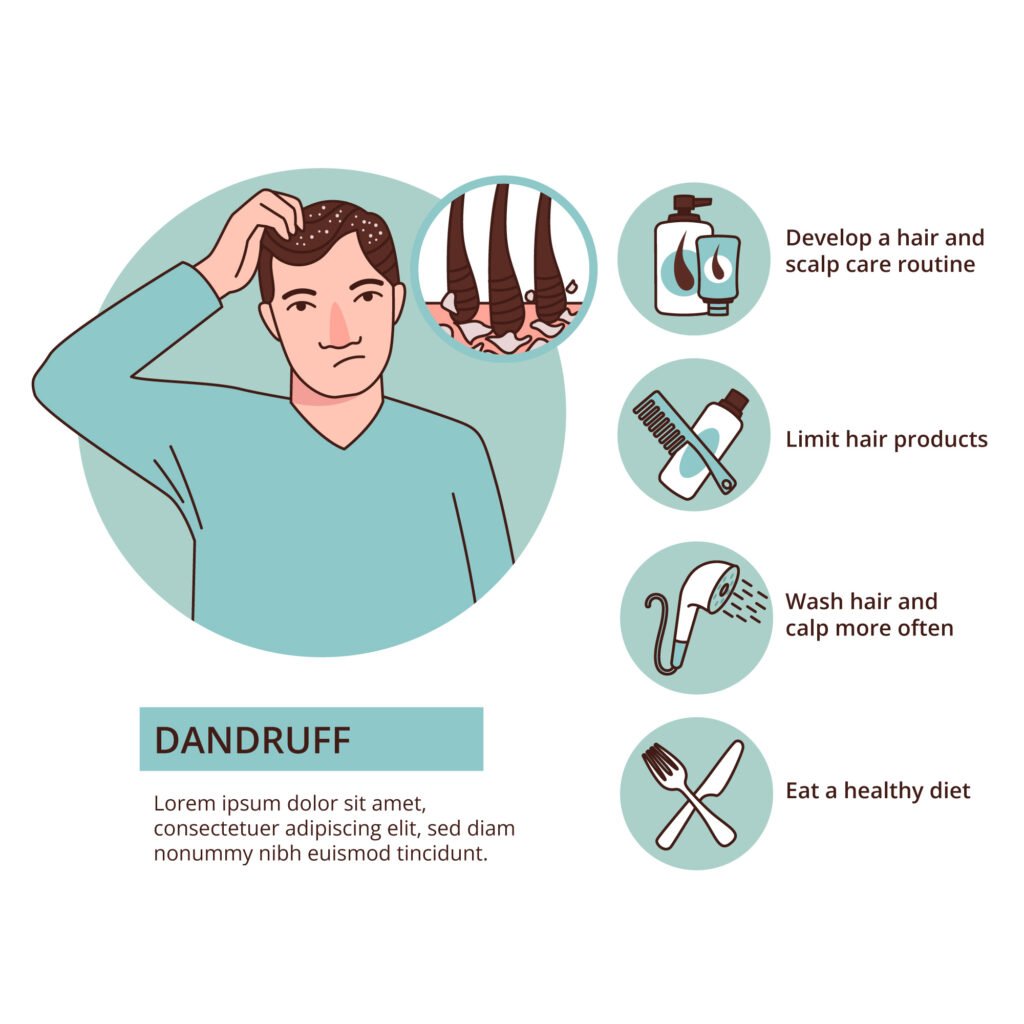
4. Flaking or Dandruff-Like Scaling
What Happens: White flakes may appear on the scalp.
Why: Alcohol-based solutions dry the skin.
How to Avoid:
- Use a sulfate-free, hydrating shampoo.
- Try the foam formula for less dryness.
- Apply a lightweight scalp moisturizer.
5. Headaches
What Happens: Some users experience mild headaches after application.
Why: Possibly due to absorption into the bloodstream.
How to Avoid:
- Apply before bedtime to avoid daytime discomfort.
- Lower the dose if headaches are frequent.
- Consult a doctor if they don’t improve.
6. Dizziness or Lightheadedness
What Happens: Feeling faint or unsteady after application.
Why: Systemic absorption may lower blood pressure slightly.
How to Avoid:
- Stick to the recommended dose (1 mL twice daily).
- Don’t apply to broken or irritated skin.
- Sit down immediately if dizziness occurs.
7. Swelling in Hands or Feet
What Happens: Some users notice puffiness in their extremities.
Why: Fluid retention is a possible side effect.
How to Avoid:
- Monitor swelling and contact a doctor immediately.
- Reduce sodium intake to minimize fluid buildup.
- Avoid using oral minoxidil unless prescribed.
8. Rapid or Irregular Heartbeat
What Happens: Palpitations, chest pain, or abnormal heart rhythm.
Why: Rare but possible due to systemic absorption.
How to Avoid:
- Stop using minoxidil immediately if you experience these symptoms.
- Seek medical attention right away.
- People with heart conditions should consult their doctor before starting.

9. Allergic Reactions
What Happens: Rash, hives, or swelling in response to ingredients.
Why: Often linked to propylene glycol in liquid minoxidil.
How to Avoid:
- Choose the foam version, which is free of propylene glycol.
- Perform a patch test before regular use.
- Seek medical care if you experience swelling or difficulty breathing.
10. Fatigue or Shortness of Breath
What Happens: Some users report feeling unusually tired or breathless.
Why: Caused by systemic absorption in rare cases.
How to Avoid:
- Use only as directed—don’t exceed dosage.
- Stop use and see a doctor if symptoms persist.
Quick Recap Table: Top 10 Side Effects of Minoxidil and How to Avoid Them
| Side Effect | How to Avoid It |
|---|---|
| Scalp Irritation | Switch to foam, lower concentration |
| Excessive Shedding | Stay consistent, wait for regrowth |
| Unwanted Hair Growth | Apply carefully, wash hands |
| Flaking/Dryness | Hydrating shampoos, foam formula |
| Headaches | Apply at night, lower dose |
| Dizziness | Follow dosage, avoid broken skin |
| Swelling (Hands/Feet) | Monitor and seek medical advice |
| Rapid/Irregular Heartbeat | Stop use, seek emergency help |
| Allergic Reactions | Switch formulas, patch test |
| Fatigue/Shortness of Breath | Use as directed, consult a doctor |
Who Is Most at Risk of Side Effects?
Certain people are more likely to experience side effects of minoxidil:
- Those with sensitive skin or scalp conditions (eczema, psoriasis)
- People with heart or blood pressure issues
- Women, who may be more sensitive to higher concentrations
- Users who overapply or use stronger solutions than recommended

Tips to Reduce Risks and Use Minoxidil Safely
- Stick to the recommended dose (1 mL twice daily).
- Apply only to the scalp, not other body areas.
- Wash hands thoroughly after each use.
- Use a patch test before committing to long-term treatment.
- Consult a dermatologist or doctor if you have existing medical conditions.
Ending
Minoxidil can be a powerful ally in the fight against hair loss, but it’s not without side effects. Most are mild and manageable, especially if you apply the product correctly and consistently. Rare but serious side effects—such as heart issues or breathing difficulties—should be taken seriously, and medical advice sought immediately.
By understanding the top 10 side effects of minoxidil and how to avoid them, you’ll be better equipped to use this treatment safely and get the results you’re looking for.